
Home / How We Work
Our process
One engineer, one seal, and a process that doesn't lose your project.
Every job runs the same path — from the first parcel lookup to the sealed set and the RFIs that follow it.
The short version
You get the engineer, not a hand-off chain.
At a large firm your project passes through a business developer, a project manager, a designer, and finally a reviewing engineer who has never seen your site. Here, the engineer who researches the parcel is the engineer who designs the set and signs the seal. Less translation loss, faster answers, and nothing falling through a gap between departments.
Stage by stage
What actually happens on your project.
Stage 01
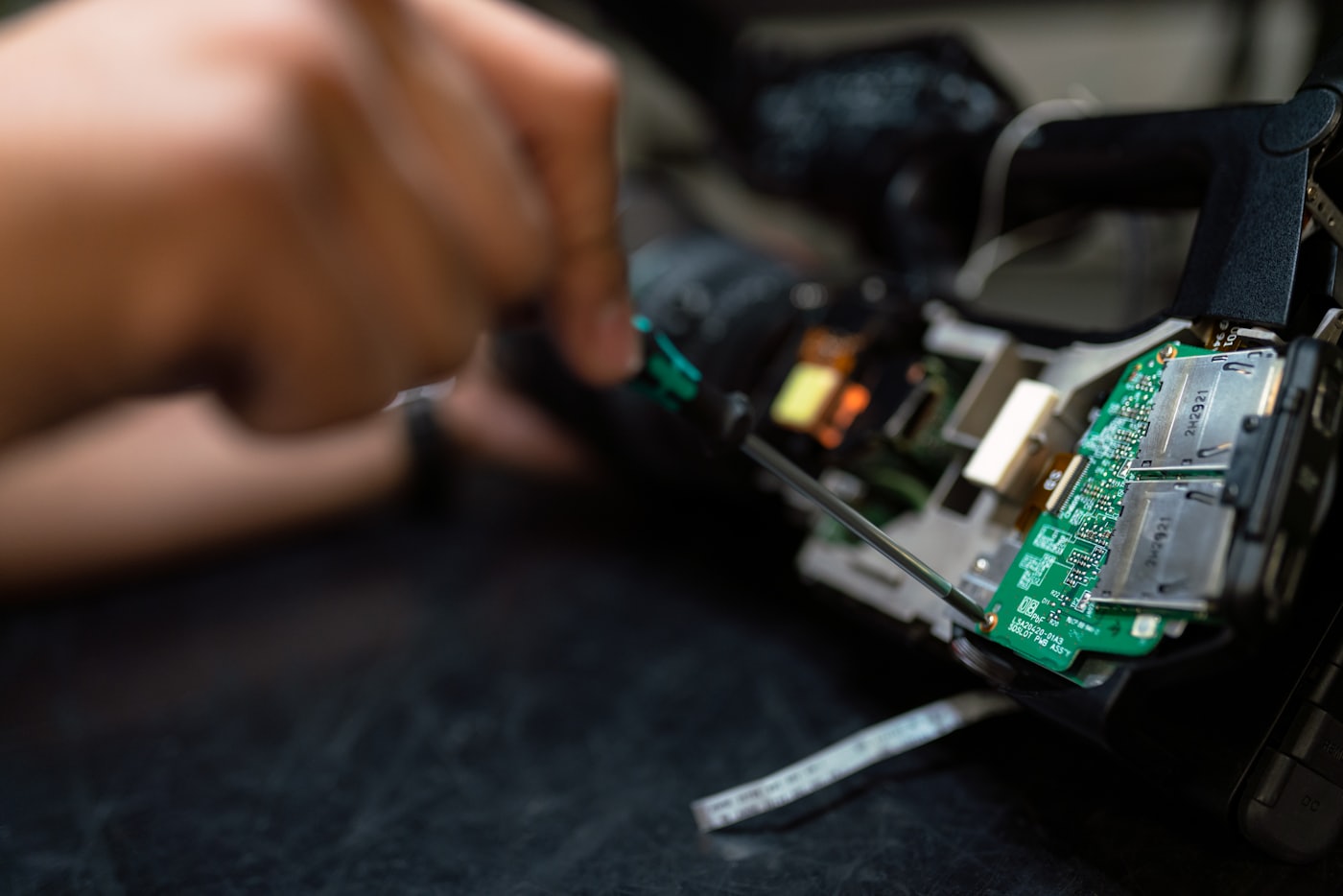
Intake & site research
Before a fee is quoted, the site is researched. Parcel and appraisal-district records, FEMA flood mapping and base flood elevations, NRCS soils, aerial history, and the governing AHJ's requirements are pulled and packaged.
That research is why the proposal reflects the site you actually own — not a generic scope that grows once someone finally looks at the flood map.
Stage 02
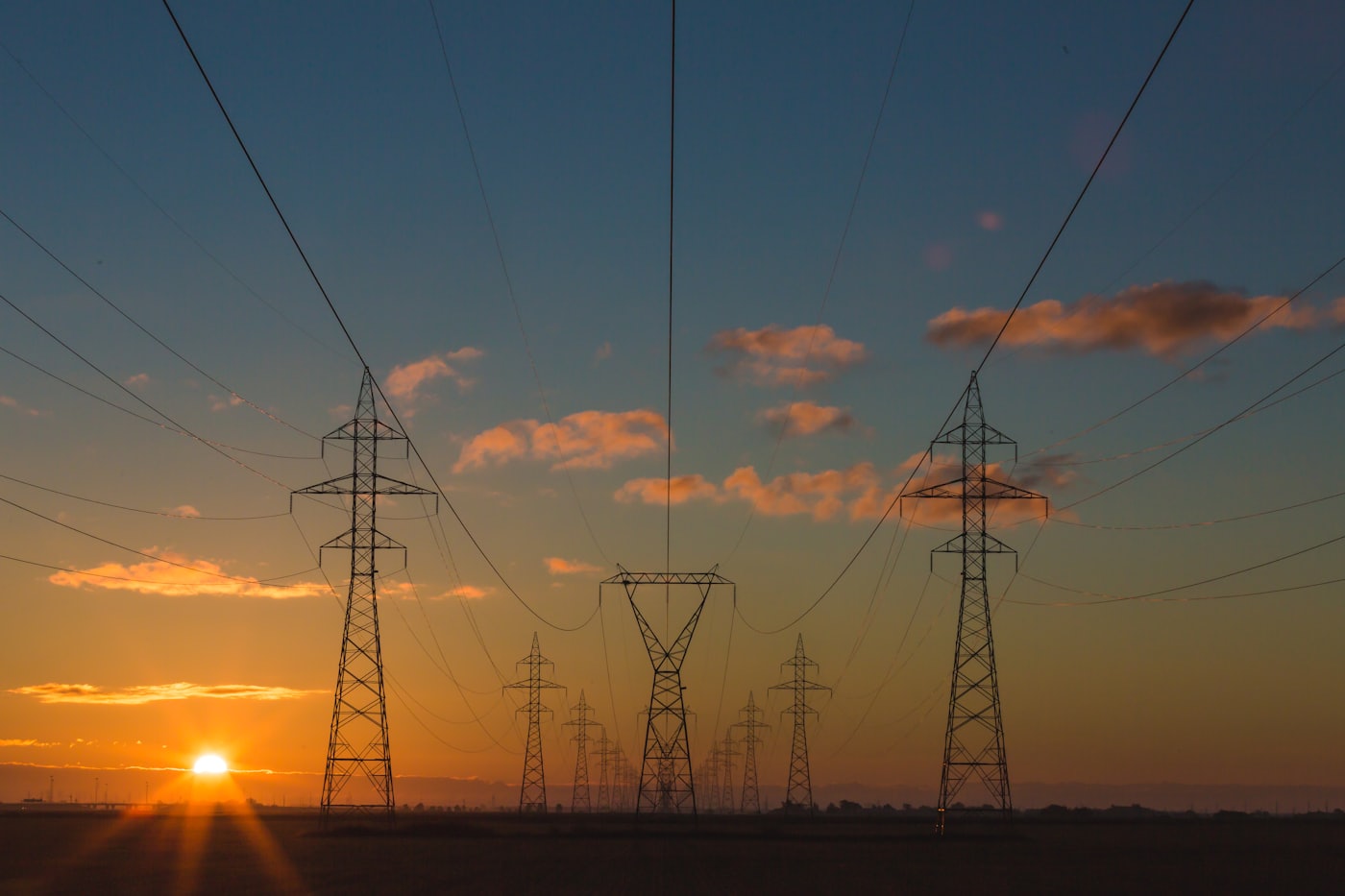
Scoped proposal
You get a line-item scope with a fixed fee — every deliverable named, and just as importantly, every exclusion named.
Where work has to be subcontracted rather than self-performed — land surveying, or replats and subdivision platting — it is called out as a pass-through, not buried in the fee.
Stage 03
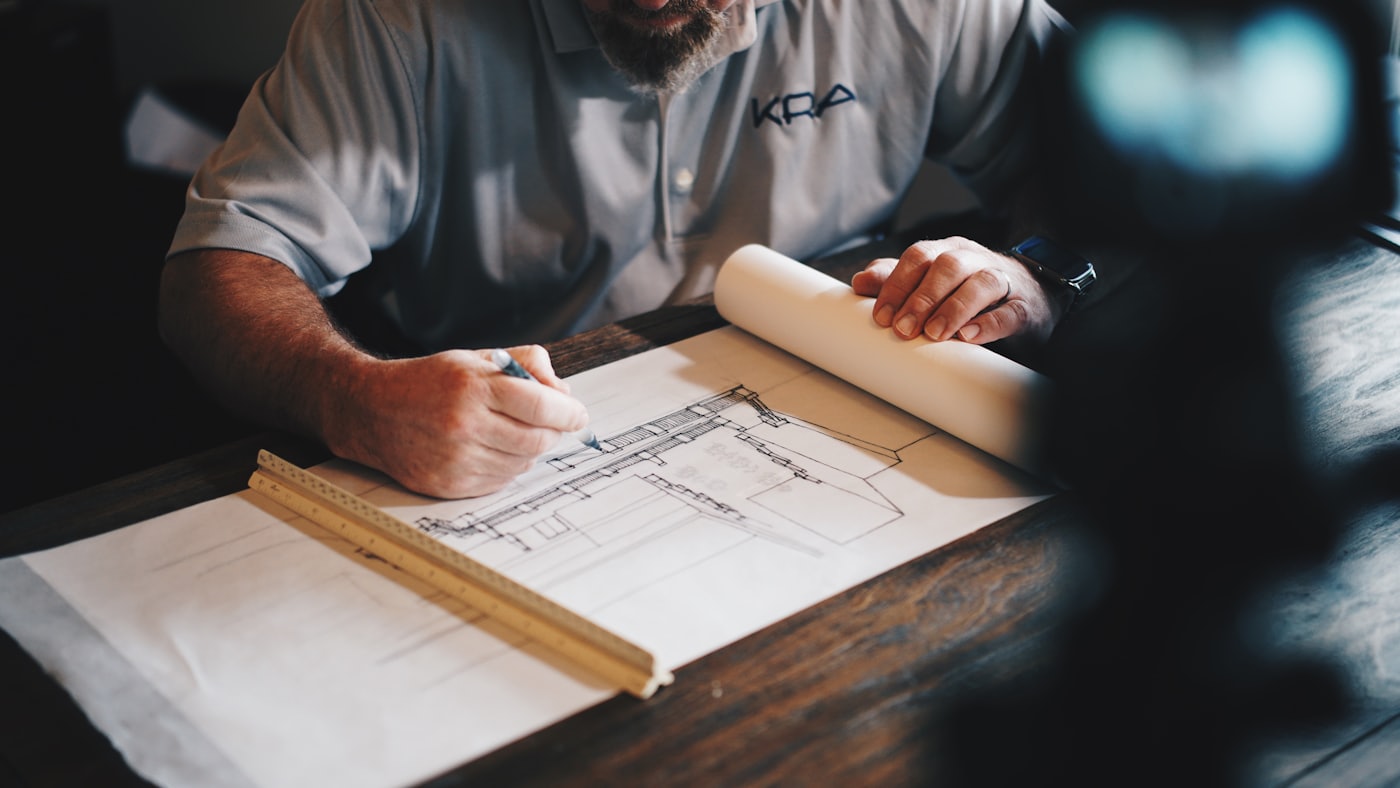
Coordinated design
Disciplines are developed against one another rather than in sequence. Grading, drainage, utilities, structures, and site systems share a single model, so a conflict is a redline instead of a change order.
Drawings are produced to a documented CAD standard — consistent layers, sheet sets, and plot styles — so the set reads the same on sheet one and sheet forty.
Stage 04
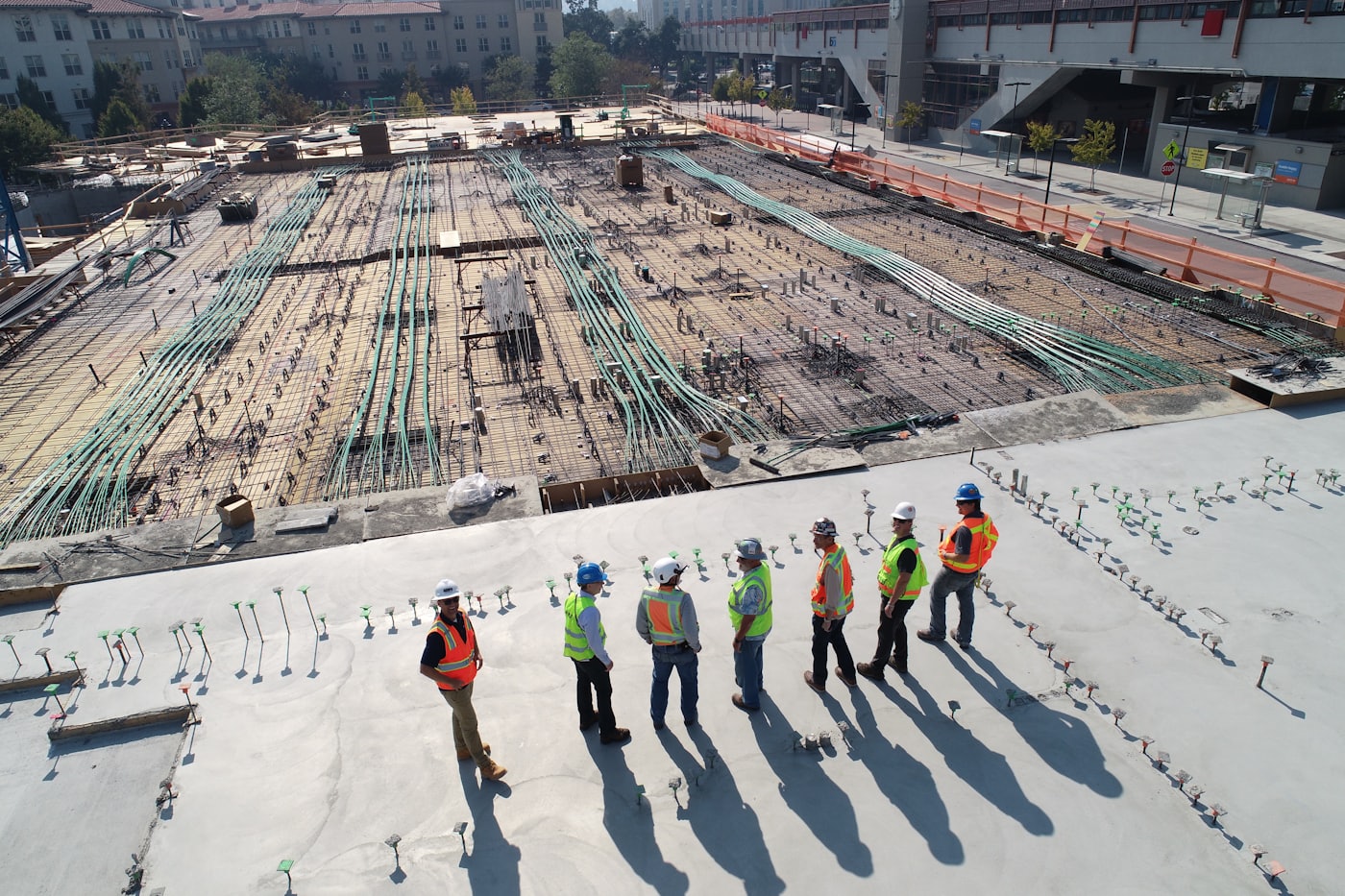
QC, PE review & seal
Nothing goes to a client or an authority without review and seal by a Texas Professional Engineer. Calculations, sheets, and the submittal package are checked against the AHJ's own checklist before it is filed.
Regulatory content is calibrated to Texas practice — TCEQ, TWDB, county drainage districts, and Harris County among them. Where a jurisdiction differs, we say so rather than assume.

Stage 05
Permitting & construction support
Submittal is not the finish line. Agency comments get answered, revisions get issued, and field RFIs get a real response instead of a two-week silence.
For OSSF work that includes installation inspection and the as-built documentation the permit needs to close.

How the work is organized
Four functions every project passes through.
Not four departments to get lost in — four responsibilities, carried by the engineering team and answerable to one PE.
Preconstruction
Intake, site research, estimating, and the proposal that scopes the work correctly.
Engineering
Civil, structural, water, OSSF, and the site systems that get designed and sealed.
Production & QC
CAD standards, sheet sets, and the plan review that clears submittal.
Permitting
AHJ coordination, agency comments, and the paperwork that closes the permit.
What we don't do
Straight answers about scope.
A firm that claims everything is a firm you can't plan around. Two things we route to trusted partners rather than self-perform:
- Land surveyingBoundary and topographic survey is subcontracted to licensed Texas surveyors and passed through at cost.
- Replats & subdivision plattingHandled by a platting specialist. We provide the engineering the plat depends on.
Both show up on your proposal as line items, so there are no surprises about who is doing what.

Ready to start at Stage 01?
Send the parcel and the scope. Site research starts before the proposal does.